
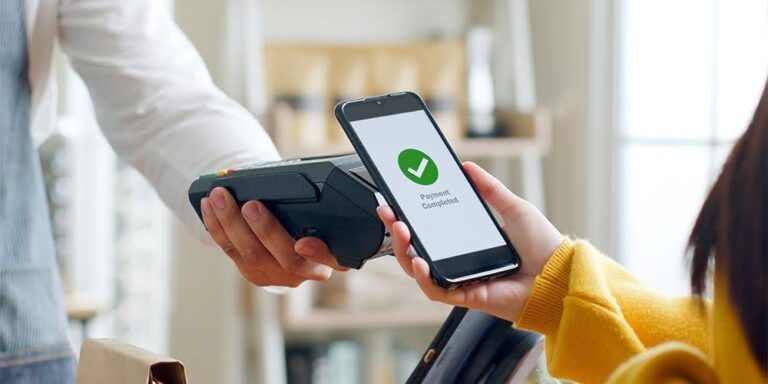
Cash is no longer the only way people pay for things. Whether you’re buying groceries, shopping online, or paying for a coffee, chances are you’ve seen people tap their phones instead of reaching for a bank card.
This change has made digital wallets one of the most popular payment methods worldwide. They make payments quick, reduce the need to carry physical cards, and often include extra security features that traditional wallets cannot offer.
But many people still ask the same questions. What are digital wallets? Are they really safe? Can someone steal your money if your phone is lost?
This guide explains how they work, the different types available, their benefits, potential risks, and the simple steps you can take to keep your money secure.
What Are Digital Wallets?
A digital wallet is an application or software that stores your payment information securely, allowing you to pay without using physical cash or cards. Instead of carrying multiple debit cards, credit cards, loyalty cards, or tickets, you can keep them in one secure place on your phone, tablet, smartwatch, or computer.
Many people also refer to a digital wallet as an e-wallet. While the names are different, they describe the same technology.
Popular examples include Apple Pay, Google Wallet, Samsung Wallet, and PayPal.
A digital wallet can usually store:
- Debit and credit cards
- Gift cards
- Loyalty cards
- Boarding passes
- Event tickets
- Digital receipts
- Membership cards
According to the World Bank’s Global Findex Database 2025, digital financial services and mobile-enabled accounts continue to support the worldwide growth of digital payments and financial access.
How Do Digital Wallets Work?
Although using one feels simple, several security processes happen behind the scenes every time you make a payment.
Here’s how it typically works:
Step | What Happens |
Add your card | Your bank card is securely linked to your wallet. |
Verify ownership | The bank confirms that you own the card. |
Payment begins | You tap your phone or choose your wallet during online checkout. |
Authentication | Your fingerprint, face scan, or PIN confirms your identity. |
Secure payment | A protected payment token is sent instead of your real card number. |
One of the biggest security advantages is tokenisation. Rather than sending your actual card details during a transaction, the wallet creates a unique encrypted token that represents your card. Even if someone intercepted the transaction, they would not receive your real card information.
The National Institute of Standards and Technology (NIST) also recommends using strong authentication methods, such as biometrics and multi-factor authentication, to improve digital security.
Are Digital Wallets Secure?
For most people, the answer is yes.
In many situations, digital wallets can actually be more secure than carrying physical cards.
Unlike a plastic card, which anyone can use if they find it, a digital wallet often requires identity verification before a payment is approved.
Some of the main security features include:
- Fingerprint recognition
- Face recognition
- Device PIN or password
- Tokenised card information
- Encrypted payment data
- Remote device locking
- Ability to erase your device remotely if lost
These layers of protection make it much harder for criminals to access your payment information.
Benefits of Using a Digital Wallet
People choose digital wallets for more than just convenience.
Some of the biggest advantages include:
Faster Payments
You can complete purchases in seconds without searching for cash or entering card details manually.
Better Security
Your real card number stays hidden during transactions, reducing the chance of card information being stolen.
Everything in One Place
Many wallets allow you to store tickets, loyalty cards, rewards, and payment cards together.
Easier Online Shopping
Instead of filling out payment forms every time you shop, many websites let you pay with a single click.
Businesses that want to offer smooth online payments often use an e-commerce payment gateway to securely process transactions and support popular wallet payment options.
Reduced Physical Contact
Contactless payments have become increasingly popular because they are quick and require less physical contact with payment terminals.
Are There Any Risks?
No payment method is completely risk-free.
While digital wallets are very secure, users should still be aware of a few possible risks.
Risk | How to Reduce It |
Lost or stolen phone | Enable remote lock and remote erase. |
Weak passwords | Use strong passwords and biometric security. |
Phishing scams | Never enter payment details through suspicious links. |
Public Wi-Fi | Avoid making financial transactions on unsecured networks. |
Fake apps | Only download wallet apps from official app stores. |
Most security problems happen because scammers trick users into sharing personal information rather than breaking the wallet itself.
Tips to Keep Your Wallet Safe
Using a digital wallet safely doesn’t require much effort.
Follow these simple habits:
- Turn on fingerprint or Face ID authentication.
- Use a strong passcode.
- Keep your phone updated.
- Enable two-factor authentication where available.
- Avoid clicking unknown payment links.
- Monitor your bank account regularly.
- Report lost devices immediately.
- Download apps only from trusted sources.
Small habits like these can make a significant difference in protecting your personal information.
Digital Wallets for Businesses
Although consumers enjoy the convenience, businesses also benefit from accepting wallet payments.
Customers are more likely to complete purchases when checkout is quick and straightforward. This is especially important for online stores, where complicated payment forms often lead to abandoned carts.
For businesses accepting payments in-store, modern card machines can also support contactless digital wallet payments, helping create a faster and more convenient checkout experience.
Whether you’re starting a new company or growing an existing one, choosing reliable merchant services for small businesses can help you accept digital wallet payments securely while providing customers with a smooth checkout experience.
The Future of Digital Payments
Digital payments continue to grow every year.
As smartphones become more common and payment technology improves, more consumers are choosing to pay digitally instead of carrying cash.
Banks, retailers, and payment providers are also investing heavily in stronger fraud protection, biometric security, and faster payment systems. These improvements are expected to make digital wallets even safer and more convenient in the years ahead.
Final Thoughts
Digital wallets have changed the way people pay for everyday purchases. They offer convenience, speed, and strong security features that often provide better protection than physical cards.
Like any financial tool, they should still be used carefully. Keeping your device secure, using biometric authentication, and staying alert to scams are simple steps that can help protect your money.
Whether you’re shopping online, paying in-store, or managing everyday spending, a digital wallet offers a fast and secure way to make payments with confidence.
Frequently Asked Questions
Are digital wallets safer than physical cards?
In many cases, yes. They use encryption, tokenisation, and biometric verification to help protect your payment information, making them more secure than carrying physical cards alone.
Can someone use my digital wallet if my phone is stolen?
Usually not. Most wallets require fingerprint recognition, facial recognition, or a PIN before payments can be made. You can also remotely lock or erase most smartphones.
Do I need an internet connection to pay?
Some wallets can complete contactless payments without an active internet connection, although certain features and updates may require one.
Can I use one wallet for multiple bank cards?
Yes. Most digital wallets allow you to add several debit and credit cards, making it easy to choose which one you want to use for each purchase.
Are digital wallets free to use?
Most consumer digital wallets are free to download and use. However, your bank or payment provider may have its own fees depending on the type of account or transaction.
