
If you have shopped in a UK store, ordered a coffee, or paid for a taxi in the last few years, there is a good chance you have tapped your card on a PAX terminal without even noticing the brand. PAX Technology has quietly become one of the most widely used names in card payments, and for business owners trying to work out which terminal or provider suits them, understanding what PAX actually offers is a genuinely useful place to start.
This guide walks through what PAX payment solutions are, how PAX merchant services fit into everyday business operations, and what to expect from PAX payment processing if you are considering a switch or a new setup.
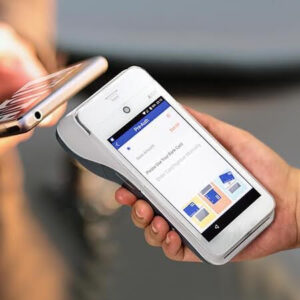
What Is PAX Technology?
PAX is a global manufacturer of point-of-sale terminals and payment technology. Rather than acting as a bank or a payment processor itself, PAX builds the hardware and much of the software that processors, acquirers, and independent software vendors then use to deliver card payment services to merchants. That distinction matters because it explains why you might see the PAX name on a terminal even though your actual merchant account sits with a completely different provider.
The company designs everything from countertop card machines to handheld mobile devices and unattended kiosks, and its terminals now run in a huge number of shops, restaurants, salons, and mobile businesses across the country. Its popularity comes down to a fairly simple formula: reliable hardware, a flexible operating system, and software that developers can build on.
What Makes PAX Payment Solutions Stand Out
Several things set PAX payment solutions apart from older, more rigid card machines.
The first is the operating system. Most modern PAX devices run on Android, which means the terminals behave a little like smartphones. PAX explores these benefits in more detail in its article on why Android payment terminals are becoming increasingly popular, including their flexibility, portability and ability to support additional business applications. Businesses can install additional apps, run loyalty programmes, manage stock, or accept alternative payment types alongside standard chip and PIN and contactless transactions. This flexibility is a big reason so many UK providers choose PAX hardware as the foundation for their own branded terminals.
The second is the range of devices available. A market stall trader has very different needs from a busy restaurant or a large retail counter, and PAX has built terminals to match. There are compact countertop units for fixed checkouts, portable devices with built in 4G and Wi Fi for staff who need to take payment at the table or on the move, and rugged, weatherproof terminals designed for outdoor use such as markets, festivals, and delivery drivers.
The third is security. PAX builds encryption and tokenisation into its terminals at a hardware level, which helps protect card data from the moment a customer taps or inserts their card. For merchants, this reduces the burden of managing sensitive information directly and supports compliance with industry standards.
PAX Merchant Services in Practice
When people talk about PAX merchant services, they usually mean the combination of a PAX terminal with the account, support, and processing arrangement provided by a payment company. The terminal itself is only one part of the picture. What actually determines whether a setup works well for a business is the service wrapped around it, things like how quickly funds are settled, what fees apply, how responsive support is if something goes wrong, and whether the reporting tools give a clear view of daily takings.
This is where choosing the right provider becomes just as important as choosing the right hardware. A PAX terminal supplied with poor support or an unclear pricing structure will frustrate a business just as much as any other card machine would. On the other hand, a well-supported PAX device, backed by transparent pricing and a UK-based team, can genuinely simplify day-to-day operations. Providers such as Total Payments pair PAX and other leading terminal brands with tailored card payment solutions built around the size and type of business using them, rather than offering a single generic package to everyone.
For businesses that also want to take payments away from the till, whether that is over the phone, through invoices, or remotely, pairing a PAX terminal with a flexible payment link solution means customers can pay securely without needing a card machine physically present.
How PAX Payment Processing Works
At its core, PAX payment processing follows the same basic journey as any card transaction, but the terminal plays a central role in making that journey fast and secure.
When a customer taps, inserts, or swipes their card, the PAX terminal captures the transaction details and encrypts them immediately. That encrypted data is then sent through the acquiring bank or payment processor connected to the merchant account, which checks the transaction with the card issuer and either approves or declines it, usually within a second or two. Once approved, the terminal confirms the sale, and funds are later settled into the merchant’s business bank account according to whatever settlement schedule their provider offers.
Because PAX terminals are built to support multiple payment types, businesses using them are not limited to standard debit and credit cards. Many PAX devices also accept contactless mobile wallets such as Apple Pay and Google Pay, and some support QR code payments, giving customers several ways to pay without the merchant needing separate equipment for each method.
The PAXSTORE platform adds another layer to this. It is a cloud-based system that lets providers and, in some cases, merchants manage terminals remotely, pushing software updates, installing new apps, and monitoring device performance without needing to physically handle every machine. For a business running several locations or a fleet of mobile terminals, this kind of remote management saves a considerable amount of time.
Choosing the Right PAX Terminal for Your Business
Not every business needs the same device, so it is worth thinking through daily operations before settling on a particular PAX terminal.
A small cafe or hair salon with a single fixed counter will usually do well with a compact countertop model, since mobility is not a priority and a stable, always connected device keeps queues moving. A restaurant, on the other hand, often benefits from a portable terminal that staff can bring to the table, letting customers pay without handing over their card. Market traders, food trucks, and delivery services tend to need rugged, battery powered devices with reliable mobile connectivity, since they cannot rely on a fixed internet connection.
Retailers running multiple tills or several branches might also want to consider how easily new terminals can be added to their setup as the business grows, and how straightforward it is to get support if a device stops working during a busy trading period.
It is also worth asking a potential provider some direct questions before committing. How quickly are funds settled? What happens if a terminal breaks down, is a replacement sent out the same day? Are contracts flexible, or is the business locked into a lengthy agreement? These practical details often matter more day to day than the specific model of terminal being used.
Security and Compliance Considerations
Card payment security is not optional, and PAX has built its reputation partly on taking this seriously. Its terminals are designed to meet PCI standards, and features like end to end encryption and tokenisation mean sensitive card details are protected at every stage of a transaction.
That said, security is a shared responsibility. Even the most secure terminal needs to be paired with good practices on the merchant’s side, keeping software updated, training staff on handling devices correctly, and working with a provider who takes fraud prevention seriously. A reputable payment provider will usually handle much of this in the background, monitoring transactions and flagging anything unusual before it becomes a problem for the business.
Bringing It All Together
PAX has earned its position as one of the most trusted names in payment terminal technology, and it is easy to see why so many UK businesses end up using a PAX device somewhere in their operations, whether they realise it or not. The combination of flexible hardware, strong security, and an operating system that supports genuine innovation makes PAX payment solutions a solid foundation for merchants of almost any size.
What ultimately determines the experience, though, is the service built around that hardware. Good PAX merchant services come from a provider who understands your business, offers fair and transparent pricing, and is there to help when something needs sorting quickly. If you are weighing up your options, it is worth speaking to a team that can talk you through the different terminals available and match one to how your business actually operates, rather than simply selling you the most popular model on the shelf.
Total Payments works with businesses across the UK to set up PAX and other leading terminals, supported by clear pricing and a team that is genuinely easy to reach. Explore the full range of card machines available and find a setup that fits the way you do business.
Frequently Asked Questions
Can PAX terminals integrate with existing EPOS systems?
Many PAX terminals can integrate with EPOS and business management systems, depending on the payment provider and software being used. Integration can help connect payments with sales reporting, stock management and other daily operations. Businesses should confirm compatibility with their provider before choosing a terminal.
Can a business use multiple PAX terminals under one merchant account?
Yes, businesses can often operate several PAX terminals through the same merchant account. This can be useful for companies with multiple tills, locations or mobile staff. The exact setup will depend on the merchant services provider and how the account is configured.
Do PAX terminals support refunds and transaction reversals?
Most PAX terminal setups support refunds and transaction reversals, although the process can vary depending on the payment provider. Merchants may be able to process refunds directly through the terminal or through an online payment management platform.
How long does it take to set up a PAX card terminal?
Setup times vary depending on the provider, merchant account approval and terminal configuration. Once the account is approved, many terminals can be configured relatively quickly. Businesses switching providers should ask about installation, activation and any potential downtime before making the change.


