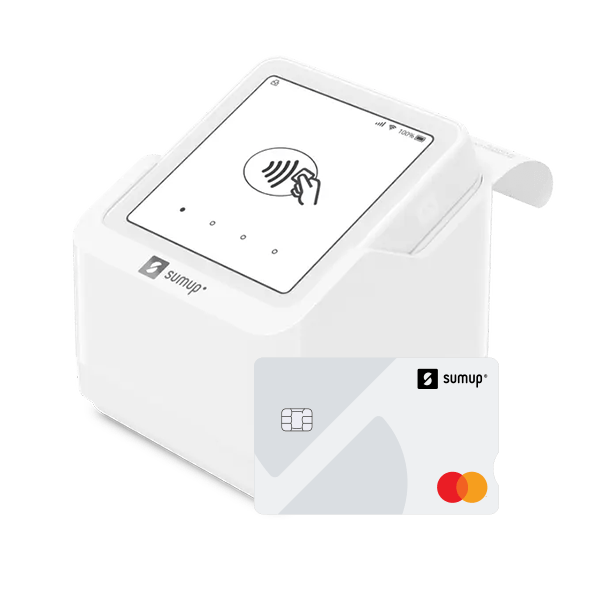
The Evolution of Portable Card Machines and Their Impact
Portable card machines have started a new era of cashless payments, allowing businesses to accept payments anywhere easily. As more people want convenience and security when paying, the need for these devices is increasing. This blog will explain how these machines affect business operations, help the economy grow, their challenges, and the future technology trends they may adopt.
Increased Flexibility for Businesses
Portable
card machines allow businesses to accept payments anywhere, from pop-up shops and market stalls to permanent retail locations. This freedom translates into increased sales, as merchants can engage with customers without being tied to a fixed point of sale. For service-based industries like delivery services or home-based businesses, the ability to process payments on-site enhances customer satisfaction and boosts cash flow by ensuring immediate transaction completion.
Enhanced Customer Convenience
One of the most significant
advantages of portable card machines is the enhanced convenience for customers. Shoppers no longer need to carry large amounts of cash or worry about finding an ATM. Instead, they can make swift, secure payments using their cards. This convenience often leads to increased spending, as customers are more likely to make impulse purchases when they know card payments are accepted seamlessly.
Streamlined Transactions for Events and Pop-Up Shops
Events and pop-up shops frequently operate in dynamic environments where access to traditional payment terminals may be limited. Portable card machines allow these businesses to handle transactions efficiently, regardless of location. This capability improves the customer experience with features such as
contactless payments, and helps businesses capture all sales opportunities, even in temporary or remote settings.
Empowerment of Sole Traders and Personal Trainers
Card machines for sole traders: Sole traders and personal trainers greatly benefit from portable card machines, as they frequently operate in various work environments and visit multiple client locations.These devices allow them to accept payments instantly, eliminating the need for invoicing and reducing the risk of late payments. This immediacy fosters trust and reliability, encouraging clients to engage their services more readily.
Facilitation of On-Site Payments and Reduction of Late Invoices
For many businesses, especially in the service industry, portable card machines streamline the payment process by enabling on-site transactions. This capability mitigates the risk of late invoices and the subsequent administrative burden of chasing unpaid bills. Consequently, businesses can maintain healthier cash flow and focus on growth rather than debt collection.
Economic Implications
Impact on Small Businesses
Portable card machines lower the barriers to entry for small businesses by reducing initial setup costs associated with traditional point-of-sale systems. Additionally, these devices offer access to a broader customer base, including those who may prefer card payments over cash. This expanded reach facilitates business growth and allows small enterprises to compete effectively with larger counterparts.
Access to Broader Customer Bases and Remote Markets
The flexibility of portable card machines extends beyond geographical boundaries, allowing businesses to tap into remote markets and diverse customer segments. For example, artisans and vendors can participate in trade shows and markets far from their home base, broadening their reach and expanding their customer base without investing in permanent locations.
Employment and Skill Development
The widespread adoption of portable card machines has implications for employment and skill development. As the demand for these devices grows, businesses may hire more staff to manage transactions and customer interactions. Additionally, employees require training to use portable card machines effectively, providing opportunities for skill development and career progression within the company.
Training Opportunities and Upskilling for Employees
Businesses utilising portable card machines invest in training programmes often to ensure their employees can operate the devices proficiently. This training equips staff with technical skills and enhances their customer service abilities. Upskilling employees can improve job satisfaction and retention rates, as staff feel more confident and capable.
Challenges and Considerations
Connectivity and Reliability
A key challenge with portable card machines is their dependence on internet connectivity. Transactions may be delayed or impossible to process in areas with poor or no network coverage. To mitigate this risk, businesses must ensure reliable internet access or consider alternative solutions, such as offline transaction capabilities that can be processed once connectivity is restored.
Mitigating Downtime and Ensuring Seamless Operations
Businesses should invest in high-quality portable card machines with robust technical support to minimise downtime and ensure seamless operations. Regular maintenance and software updates can also help prevent malfunctions. Additionally, having backup devices or alternative payment methods in place can provide a contingency plan in case of technical issues.
Costs and Fees
While portable card machines offer numerous benefits, they come with initial investment costs and ongoing transaction fees. Businesses must evaluate these expenses against the expected increase in sales and improved cash flow. Comparing different providers and negotiating favourable terms can help manage these costs effectively.
Comparison with Traditional Payment Methods
Portable card machines present a cost-effective alternative to traditional payment methods, such as cash or cheque handling, often involving higher administrative overheads. By reducing the reliance on physical currency, businesses can streamline financial operations, minimise errors, and expedite transaction processing times.
Security Concerns
Security is a paramount concern when using portable card machines. These devices must be protected from potential vulnerabilities, such as data breaches and fraud. Implementing robust encryption technologies and regularly updating security protocols can help protect sensitive customer information.
Potential Vulnerabilities and Preventive Measures
Businesses must stay vigilant against potential security threats by adopting preventive measures such as regular device inspections, secure Wi-Fi connections, and employee training on recognising and mitigating fraud attempts. Partnering with reputable service providers who prioritise security can further enhance transaction safety.
Educating Businesses and Consumers about Safe Usage Practices
Ensuring the secure use of portable card machines requires education for businesses and consumers. Organisations should provide training sessions to educate employees on best practices for device handling and transaction processing. Similarly, informing customers about secure payment habits, such as keeping their PINs confidential, can help minimise the risk of fraud.
Future Trends and Innovations
Integration with IoT and Smart Devices
The integration of portable card machines with the Internet of Things (IoT) and smart devices is rapidly transforming the payment landscape. IoT-enabled card readers can communicate seamlessly with other devices, enabling innovative solutions such as contactless payments via smartphones or smartwatches. This connectivity enhances the customer experience by offering more convenient and personalised payment options.
Potential Use Cases and Benefits
IoT integration can provide numerous use cases and benefits, such as real-time inventory management, automated loyalty programmes, and personalised marketing campaigns. For instance, a smart card reader connected to a retail management system can instantly update inventory levels upon a sale, helping businesses maintain optimal stock levels and improve operational efficiency.
Examples of Emerging Technologies and Prototypes
Emerging technologies like biometric authentication and blockchain are also being explored for their potential to enhance portable card machines. Biometric authentication, such as fingerprint or facial recognition, can provide an additional layer of security, while blockchain technology can enable transparent and tamper-proof transaction records.
Adoption of Cryptocurrencies and Digital Wallets
As digital currencies and wallets gain traction, portable card machines adapt to accommodate these new payment methods. Accepting cryptocurrencies like Bitcoin and Ethereum or digital wallets like Apple Pay and Google Wallet can broaden a merchant’s reach to tech-savvy customers and offer greater convenience for both parties.
Challenges Faced by Merchants
However, challenges still need to be addressed in the widespread adoption of cryptocurrencies and digital wallets. Merchant fees for accepting these payment methods may be higher than traditional card payments, and there still needs to be more consumer understanding of how they work. Moreover, the volatility of cryptocurrency values poses a risk for merchants when converting them into fiat currency.
Solutions Being Explored
To address these challenges, portable card machine providers are exploring solutions such as allowing merchants to set their cryptocurrency conversion rates, partnering with payment processors to reduce fees, and offering education resources to merchants and consumers alike. These efforts aim to make it easier for businesses to accept these alternative forms of payment and promote widespread adoption.
Artificial Intelligence and Data Analytics
Artificial Intelligence (AI) is becoming a powerful business tool to create personalised customer experiences. By using AI, companies can analyse individual preferences and shopping habits, allowing them to tailor suggestions and offers that better meet each customer’s needs. This personal touch not only enhances customer satisfaction but also encourages more sales.
On the other hand, data analytics helps businesses make intelligent decisions based on facts and numbers. Companies can gain valuable insights by examining data about sales, customer behaviour, and market trends. These insights can guide them in developing effective strategies, improving product offerings, and optimising marketing efforts to reach their audience better. AI and data analytics are vital for businesses looking to grow and adapt.
Future Possibilities
As technology continues to evolve, the potential applications for portable card machines are endless. With the rise of Internet of Things (IoT) devices, we may see portable card machines integrated into everyday objects such as smart refrigerators or cars, allowing seamless payments without carrying a separate device. Additionally, advancements in artificial intelligence could lead to more personalised and intuitive transactions, making the payment process even more convenient for merchants and customers.
The Role of Merchants in Shaping the Future of Payments
Merchants play a crucial role in driving the adoption and evolution of portable card machines. By embracing new technologies and offering diverse payment options, they can cater to the needs and preferences of their customers. With continued innovation and collaboration between merchants, payment providers, and technology companies, we expect to see even more exciting developments in this space in the coming years. As such, it is essential for merchants to stay informed about emerging trends and to be open to adapting their payment methods to meet the changing demands of consumers.
Speed and Convenience
Contactless payment methods make transactions quicker and more accessible for everyone. When customers can pay by simply tapping their card or phone on a terminal, it cuts down on the time they spend at the checkout. This means businesses can serve more customers in less time, leading to shorter queues and a more pleasant shopping experience. Overall, the speed and convenience of contactless payments help keep things moving smoothly.
Operational Benefits
Using contactless payments can greatly improve a business’s daily operations. A streamlined checkout process allows staff to focus more on helping customers than managing cash and change. This not only speeds things up but also helps to minimise mistakes that can happen when handling money. As a result, businesses can operate more efficiently and provide better customer service.
Cost Savings
Managing cash can be expensive for businesses. With contactless payments, companies can save money on transaction fees and reduce the costs of handling physical cash. This includes expenses like security, staffing, and maintaining cash registers. By switching to digital payments, businesses can take advantage of cost savings and invest in other areas.
Enhanced Security
One of the main concerns regarding payments is safety. Contactless payment methods offer better security features that help protect both businesses and customers. Techniques like tokenisation and encryption ensure that sensitive information is not easily accessible to fraudsters. This reduced risk of fraud and theft gives everyone more peace of mind, knowing their financial information is kept safe.
Improved Customer Insights
Contactless payment systems can provide businesses with valuable data about their customers. By tracking spending habits and preferences, companies can gain insights into what customers like to buy and when they shop. This information can help businesses develop targeted marketing strategies, improve their product offerings, and ultimately create a more engaging shopping experience that encourages customer loyalty.
Ease of Use
The most significant advantage of contactless payment systems is how simple they are to use. With just a quick tap of your card or smartphone, you can complete a transaction in seconds. This feature is getting popular with portable card machines, eliminating the need to fumble around for cash or dig through your wallet for multiple cards. This convenience saves time and makes shopping more enjoyable, especially in a hurry.
Improved Shopping Experience
Faster checkouts and mobile card machines are making shopping a smoother experience. By reducing the time spent in line, customers can get in and out of stores quickly, which leads to higher satisfaction. This efficiency is particularly noticeable in busy retail environments where every second counts. Additionally, contactless payments are accepted in various places, from local shops to public transport, making it even easier to pay wherever you are.
Accessibility Features
Contactless payment methods are also designed to be user-friendly for everyone, including those with disabilities. This consideration means that individuals struggling with traditional payment methods can manage transactions more easily and independently.
Conclusion
Contactless payments make things easier for businesses and shoppers. They speed up transactions, help keep people safe by reducing physical contact, and offer convenient rewards programs. All these features make shopping a smoother and more enjoyable experience.
As contactless payments become more popular, they play an essential role in buying and selling. Embarking this technology benefits businesses and customers and can lead to a better shopping experience for everyone.
Get in Touch With the Total Payments Team
If you’re a sole trader looking to enhance your financial management and streamline your operations, consider adopting a card payment system today. Take the first step towards efficiency by researching suitable card machines and exploring options that fit your business needs. Contact the Total Payments team today to learn about our reliable mobile card machine solutions. Call our support centre, or email us to get started. Your journey to streamlined, hassle-free payments begins here!

 £0.00
£0.00