
Contactless checkout is now a normal part of buying from a business. Customers expect to tap a card, phone, or smartwatch and finish the payment in seconds. For businesses, this is not only about speed. It is also about customer experience, queue management, payment security, and keeping up with the way people prefer to pay.
This guide explains NFC and contactless payments in simple terms. It covers how they work, what equipment you need, which business types can benefit, and what to consider before choosing a provider.
What Are Contactless Payments?
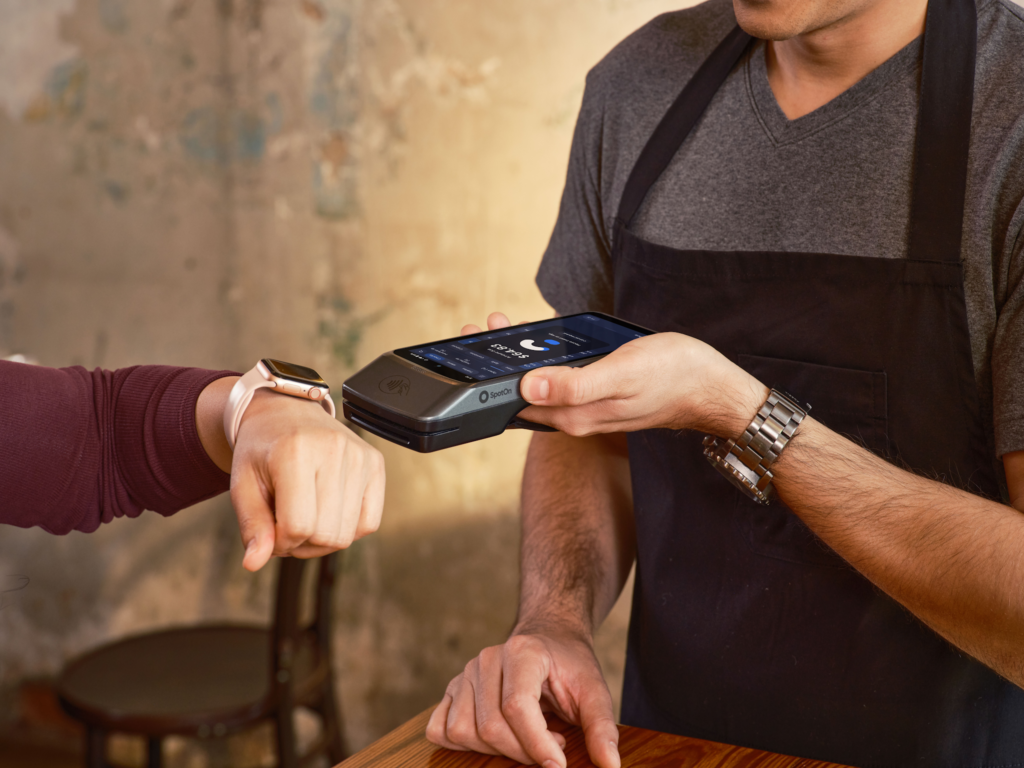
Contactless payments allow a customer to make a payment without inserting a card or entering details manually. The customer simply places their contactless card, phone, or wearable device close to a payment reader. The transaction is then sent for approval through the payment network.
The short-range connection behind many tap-to-pay transactions is called near field communication. It works when two enabled devices are held very close together, usually only a few centimetres apart. This close range is one reason the process is fast and practical for everyday retail and service environments.
For customers, it feels easy. For businesses, it can make checkout smoother, reduce cash handling, and support a more modern payment experience.
How Does the Technology Work?
When a customer taps their card or device, the reader and payment device exchange encrypted payment information. The transaction is then checked by the payment processor, card network, and bank. If everything is approved, the business receives confirmation and the customer can leave with their purchase.
Modern mobile wallets often use tokenisation. EMVCo explains that payment tokenisation replaces the primary account number with a unique payment token, which helps reduce the value of sensitive card data if it is exposed. This is one reason NFC technology can support a secure checkout flow.
In simple terms, the process usually looks like this:
- The customer taps a card, smartphone, or wearable device on the reader.
- The reader receives secure payment data through NFC technology.
- The payment request is sent for authorisation.
- The bank approves or declines the transaction.
- The terminal confirms the result and records the sale.
This is why these payments are often completed in just a few seconds, which is helpful for busy locations where every checkout delay matters.
Why Businesses Should Care
The growth of digital wallets and tap-to-pay habits is clear. UK Finance reported that 57% of UK adults used mobile wallets in 2024, up from 42% in 2023. That shift shows how quickly payment behaviour is changing, especially among customers who now prefer phones and wearables for everyday purchases.
For a business, accepting modern payments can help improve convenience and remove small points of friction that stop people from buying. A customer who wants to pay with NFC should not have to search for cash, insert a card, or wait while staff try to process a slow payment method.
Businesses may also benefit from:
- Faster queues during busy periods.
- A cleaner checkout experience with less cash handling.
- Better support for customers using mobile wallets.
- More flexible payment options across different locations.
- A payment setup that feels more professional and up to date.
Business Use Cases
Different businesses use contactless payments in different ways. A café may need quick counter payments during the morning rush. A retailer may need several terminals across the shop floor. A car park, vending operator, or self-service site may need terminals that can take payments without staff present.
Business type | Payment need | Best-fit payment setup |
Cafés and quick-service food | Fast payments during rush hours | Countertop or portable contactless terminals |
Retail shops | Smooth checkout and mobile wallet support | Integrated or portable card terminals |
Restaurants | Table payments and faster bill settlement | Portable devices linked to EPOS |
Parking, vending, and kiosks | Self-service payments without staff | Unattended terminals with strong connectivity |
Mobile services | Taking payments away from a fixed counter | Portable or mobile card readers |
Table: Common business use cases for contactless payment acceptance.
This is where choosing the right provider matters. Some businesses only need one countertop terminal, while others need a wider card payment setup, reporting, integration support, or sector-specific equipment.
NFC Mobile Payments and Customer Expectations
Customers increasingly use phones and watches to pay because they are convenient. NFC mobile payments let people use digital wallets such as Apple Pay, Google Pay, and other wallet apps, depending on their device and bank.
For many shoppers, this feels easier than carrying a physical wallet. It can also help reduce lost sales when a customer has forgotten their card but still has their phone. EMVCo also notes that mobile devices can support secure and convenient contactless payments through smartphones, tablets, and wearables.
From a business point of view, mobile wallet payments are useful because they support the way customers already behave. They also make your checkout feel faster and less dated.
What Equipment Does a Business Need?
To accept these payments, a business needs a compatible card terminal or payment reader, a payment processing account, and a stable connection. Depending on the setup, this may be Wi-Fi, mobile data, Ethernet, or integration with an existing point-of-sale system.
The right NFC payment system depends on where and how you take payments. For example, a small salon may only need one portable terminal. A restaurant may need multiple devices for table payments. A parking site or vending area may need unattended hardware designed for self-service payments.

Contactless Payments for Unattended Locations
Some payment environments do not have staff at the point of sale. Examples include vending machines, parking machines, ticket kiosks, laundrettes, EV charging sites, and self-service retail points. These locations need secure, reliable terminals that can accept payment without direct staff involvement.
This is where unattended card terminals can be valuable. They allow customers to complete a payment independently, which can reduce staffing pressure and keep sales moving outside normal staffed hours.
For unattended environments, businesses should think carefully about durability, connectivity, screen visibility, weather protection, reporting, and security. The terminal must be easy for customers to use and strong enough for the location.
NFC Contactless Payments: Pros and Considerations
The main benefit of NFC contactless payments is convenience, but businesses should also consider the full picture before making a decision.
Key advantages
- Speed: Payments are usually much quicker than cash handling.
- Customer convenience: People can use cards, phones, and wearables.
- Lower friction: A smoother checkout can support better conversion.
- Operational control: Digital payments are easier to record and reconcile.
- Modern image: Customers see the business as current and easy to buy from.
Things to check before choosing a provider
- Transaction fees and monthly costs.
- Terminal rental or purchase options.
- Contract length and cancellation terms.
- Connectivity options for your location.
- Support quality and replacement times.
- Reporting, settlement times, and integration options.
The lowest price is not always the best choice. A cheaper terminal may cost more in the long term if support is poor, connectivity is unreliable, or the system does not fit your daily operations.
Security and Customer Trust
Security is a major part of payment acceptance. Businesses should work with trusted providers and make sure their payment equipment is compliant, maintained, and suitable for their environment.
The second key part of near field communication in payments is proximity. The customer device must be close to the reader, which helps reduce accidental payments. Combined with encryption, tokenisation, and bank authorisation, this creates a secure payment flow when the system is properly implemented.
However, no payment method should be treated as risk-free. Businesses should still follow provider guidance, keep software updated, review suspicious transactions, and train staff on basic payment security.
How to Choose the Right Payment Setup
Before selecting a provider, look at how your customers pay, where payments happen, and what problems you want to solve. A retail shop may need fast counter payments. A mobile business may need a portable reader. A self-service site may need robust hardware with remote monitoring.
Ask these questions before making a decision:
- Do we take payments at a counter, table, mobile location, or unattended site?
- How many terminals do we need now and in the next 12 months?
- Do we need integration with EPOS, accounting, or booking software?
- How quickly do we need settlement?
- What support will be available if the terminal stops working?
For many businesses, the best choice is not just a terminal. It is a complete payment partner that understands the sector, the customer journey, and the practical details of daily trading. That is why reviewing card payment solutions carefully can help you choose a setup that supports both customer experience and business operations.
Quick Summary
NFC and contactless payments help businesses offer faster, simpler, and more flexible ways to pay. They are especially useful for companies that want to reduce checkout delays, accept mobile wallets, support self-service payments, and create a smoother customer experience.
The best setup depends on your business type, payment volume, location, and customer needs. Choose equipment that is reliable, secure, easy to use, and supported by a provider that can help your business grow.
Speak to Total Payments
At Total Payments, we help businesses choose payment solutions that fit how they actually operate. Whether you need countertop terminals, portable devices, mobile payment options, or support for self-service locations, we can help you find a practical setup that makes taking payments simpler for your team and easier for your customers. Speak to us today to discuss the right payment solution for your business.
Frequently Asked Questions
What does NFC mean in payments?
NFC is a short-range wireless connection used when a card, phone, or wearable device is held close to a payment terminal. It allows secure payment information to pass between the customer device and the reader.
Are contactless payments safe for businesses?
Yes, contactless payments can be safe when processed through compliant terminals and trusted payment providers. Security features can include encryption, tokenisation, bank authorisation, and transaction monitoring.
Can small businesses accept mobile wallet payments?
Yes. Many modern card terminals allow small businesses to accept mobile wallet payments from phones and smartwatches, as well as standard contactless cards.
Do unattended sites need special terminals?
Usually, yes. Unattended locations often need terminals designed for self-service use. These may require stronger casing, reliable connectivity, clear customer instructions, and remote management features.
What should I check before choosing a provider?
Check fees, contract terms, terminal options, support quality, settlement times, integration needs, and whether the provider understands your type of business.
